
Craft: Made to Matter
As AI automates creation at unprecedented speed, a surprising truth emerges: craft—thoughtful, meticulous, and deeply human—has never been more essential. Not in spite of automation, but because of it

Welcome to Supercurrents—where design, AI, and innovation intersect. This month, we explore one of the most undervalued forces shaping technology and design today: craft. Whether it’s in AI-driven products, brand-building, or digital experiences, the difference between what’s forgettable and what lasts is often found in the unseen details…

What i’m reading & watching:
Designing, developing, and deploying a web app entirely using AI
People are starting to trust AI more – and view it as more human-like
On X…
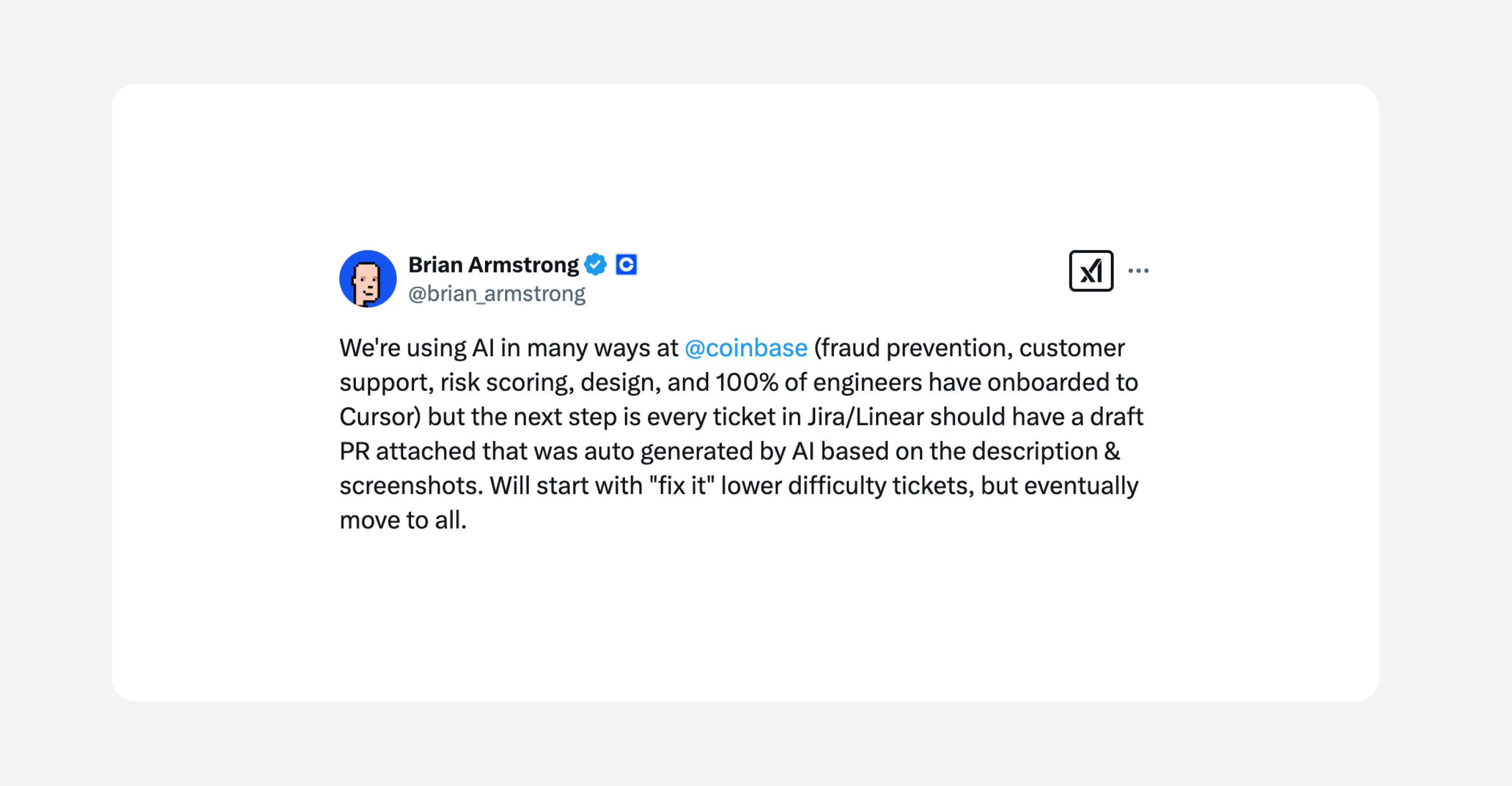
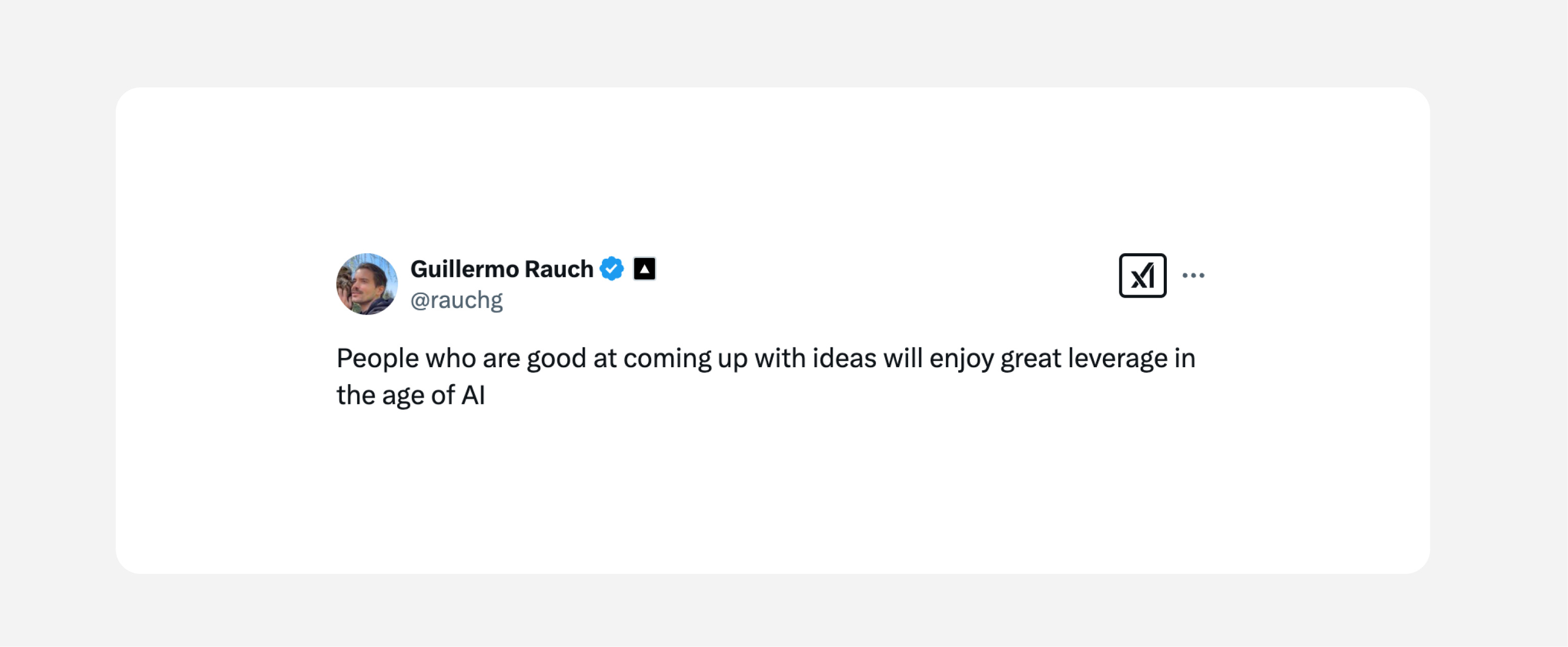
A couple of notes on “Craft”.
In an era where artificial intelligence can generate content in seconds and no-code tools promise instant creation, we face a fascinating paradox: craft—the meticulous attention to detail and deep consideration of user needs—has become more valuable, not less. This isn’t despite automation, but because of it.
Craft has evolved from traditional artisanship into something more ethereal yet equally meaningful. In the digital world, it no longer revolves around shaping materials but rather the orchestration of experiences. It’s found in the perfectly timed animation that makes an interaction feel effortless, the intuitive interface that anticipates user needs before they arise, and the optimization that ensures seamless performance under stress.
Great craft, whether in digital products or physical design, is about more than functionality—it’s about resonance. A well-crafted experience doesn’t just work; it makes people feel something.
It respects their time and attention, builds trust through reliability, and anticipates future needs with thoughtful, scalable solutions. Most importantly, it carries an unmistakable sense that someone has already thought deeply about the user—solving problems and creating delight before they even know they need it.
This level of care transforms an ordinary interaction into something that feels personal, even inevitable. It’s the difference between a product that simply functions and one that feels like it was made just for you. When done well, craft is invisible, yet unmistakable. It’s present in the way an app never lags, how an interface feels natural from the first touch, or how a system degrades gracefully under stress.
In the end, people don’t just hire a brand or product for what it does; they hire it for how it makes them feel. A well-crafted experience turns a tool into something indispensable. It elevates the journey from merely completing a task to actively enjoying the process—so much so that people want to share it with others.
As The Macintosh Spirit famously put it:
"The desire to ship quickly was counterbalanced by a demanding, comprehensive perfectionism. Most commercial projects are driven by commercial values, where the goal is to maximize profits by outperforming your competition. In contrast, the Macintosh was driven more by artistic values, oblivious to competition, where the goal was to be transcendently brilliant and insanely great." —The Macintosh Spirit
Great craft feels personal—as if someone has already thought about what you need before you even realize it yourself.
The competitive moat of care
A year ago, many dismissed Jasper AI as just a “thin GPT wrapper.” The skepticism was understandable—AI models were evolving rapidly, and many assumed differentiation would remain at the infrastructure level. But that assumption ignored a fundamental truth: value doesn’t come from raw capability alone. It comes from how technology is shaped into something people can trust, adopt, and integrate into their workflows.

The same principle applies across all design disciplines. A font library doesn’t make a great brand. A set of UI components doesn’t make an intuitive product. The true differentiator isn’t just access to tools but how they are thoughtfully applied. Craft—the fusion of technical excellence, user experience, and deep human understanding—is what turns raw technology into something remarkable.
For AI, craft happens at the application layer. Business leaders aren’t concerned with the underlying model; they care about outcomes—growth, efficiency, scaled creativity, and deeper insights. The real advantage isn’t just having access to a model but knowing how to integrate it into workflows, structure enterprise data around it, and create an experience that delivers tangible value.
Over time, infrastructure becomes a commodity, and the real value shifts to those who design the best applications, build trust, and fit seamlessly into people’s lives. That’s why Jasper is now used by over 20% of the Fortune 500. It isn’t just providing AI—it’s crafting an AI-powered experience that meets businesses exactly where they need it. The model is just the foundation; the real product is how you apply it.
As Timothy Young, CEO at Jasper AI, puts it: The context, workflows, and UX are the product. How you fuse enterprise data, logic and process it consistently with an LLM is the value.
The lesson? The model is just the beginning. The real product is how you apply it.
The unscalable advantage
Here lies the central paradox: while technology enables mass production, the highest forms of craft remain unscalable. A generative AI can create logos in seconds, but it can’t craft an identity that resonates over decades. A no-code tool can assemble an app, but it can’t replicate the nuanced understanding of human behavior that makes great products feel inevitable.
This is precisely what makes craft such a powerful competitive advantage. As the barriers to creation lower, the ability to create experiences that feel deeply considered becomes increasingly rare. It’s the difference between something people use and something people love.
The brands that endure don’t just keep pace with trends; they cultivate craft as a long-term strategy. In an age of algorithmic abundance, human attention is a luxury. The winners won’t be those who produce the most but those who make people feel something rare: that this was made specifically for them.
The Rise of AI-Driven Mediocrity
Here’s the defining paradox of our time: as it becomes easier and faster to “look good,” it becomes exponentially harder to create work that “feels good.” We’re entering an era where AI can generate polished, professional-looking output that checks all the conventional boxes—yet often fails to make people care.
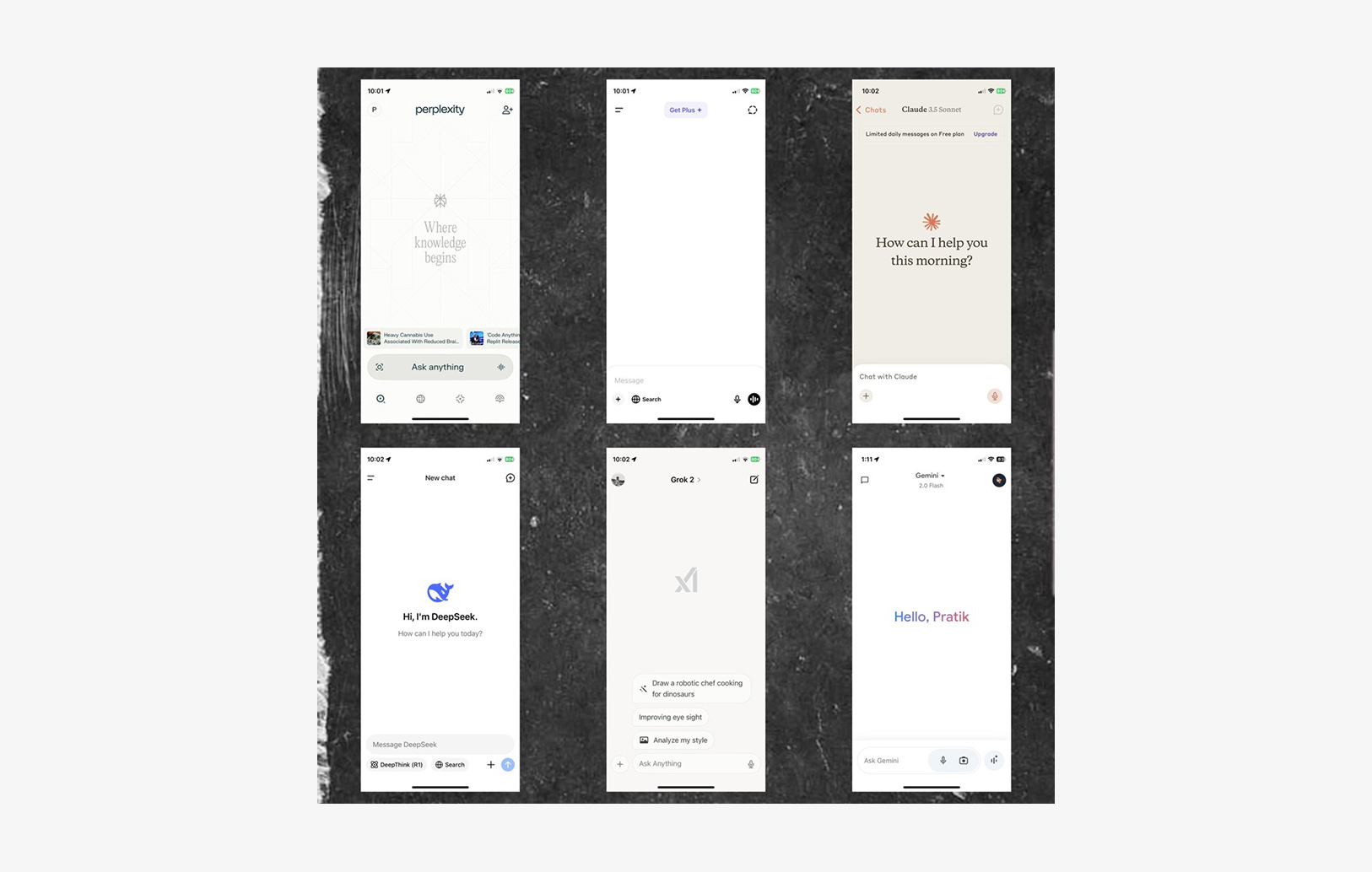
This is creating a sharp divide in the creative landscape. The middle ground is disappearing, leaving us with two paths: mass-produced mediocrity or genuine excellence. The choice isn’t just about quality; it’s about the fundamental approach to creation itself.
Right now, anyone can create an app tailored to their specific needs, all without hiring a developer or designer. Should I be worried about this? Not at all. The more people build things, the more they’ll start to appreciate the craft behind great software. When you’ve tried to do it yourself, you realize how much thought, skill, and care goes into design. Shane Levine https://x.com/theShaneLevine
Good creative work starts with a surprising insight—something unexpected that sparks curiosity or connection. While AI excels at pattern recognition and optimization, it struggles to uncover the subtle human truths that create emotional resonance. The essence of craft isn’t just about making things functional or even beautiful—it’s about making them meaningful.
The Future of Craft
As AI accelerates production and automation lowers the barriers to creation, craft is becoming more valuable—not less. In a world where anything can be generated instantly, what truly stands out isn’t what’s made, but what feels considered. The essence of craft isn’t just about perfecting form or function; it’s about creating something that resonates on a deeper level. The best design is often invisible—it works so seamlessly that it feels inevitable, effortless, as if it was always meant to be there.
The defining challenge of our time isn’t making more, but making meaning. As generative tools remove friction from creation, the role of designers is shifting from producing endless variations to curating coherence. Craft is no longer about perfecting individual elements but orchestrating entire experiences that feel effortless, intuitive, and human. This is the real competitive moat. AI accelerates the average. Craft elevates the exceptional.
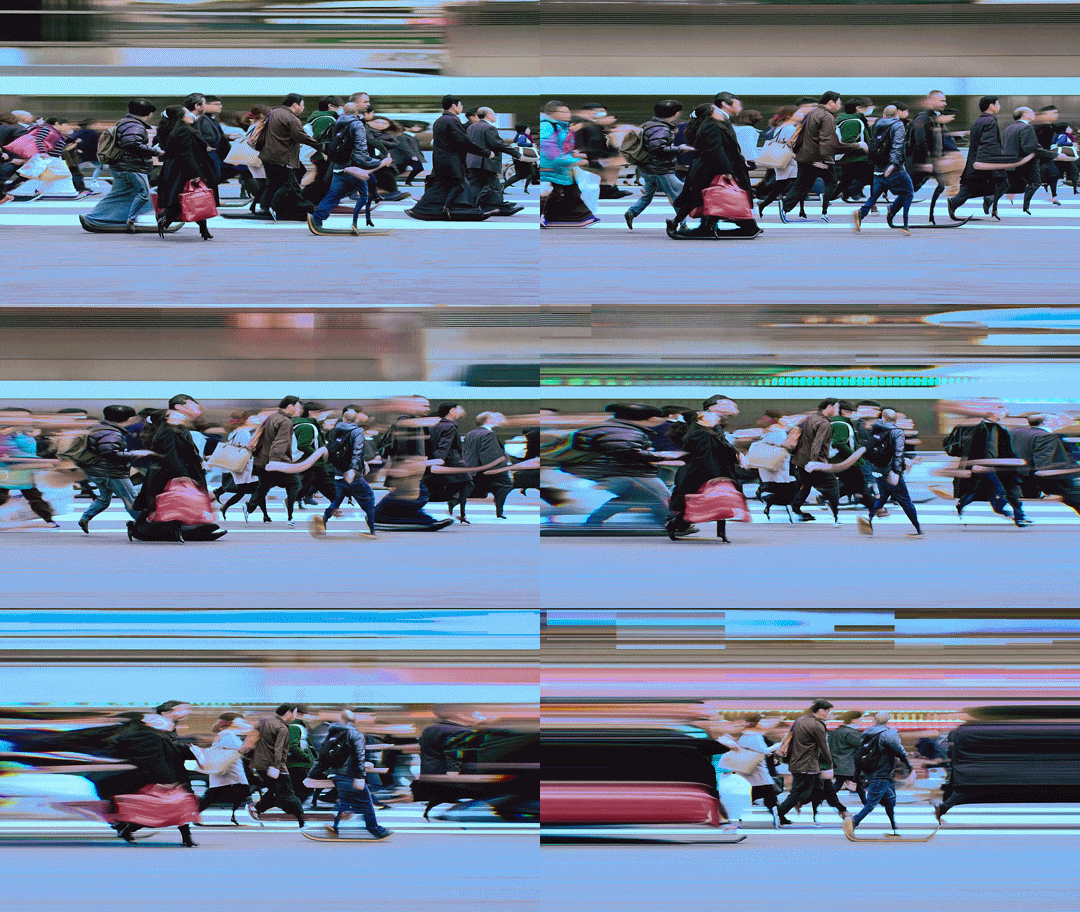
But true craft isn’t about speed or scale; it’s about care—the kind of deep consideration that can’t be automated, rushed, or commoditized. A well-crafted experience carries an unmistakable sense that someone has already thought deeply about the user, solving problems before they arise, anticipating needs before they’re even recognized. The brands that endure won’t be those that generate the most, but those that make people feel something rare: that this was made just for them.
The future of craft isn’t about resisting technology but shaping it. It’s about designing the future with intention, ensuring that in a world flooded with content, what truly matters still stands out. Because at the end of the day, people don’t remember the sheer volume of what was made—they remember how it made them feel.
Conclusion
In an age of instant creation and mass production, craft will be the ultimate differentiator. Not because it’s hard to create something that looks professional, but because it’s becoming increasingly rare to create something that makes people care.
The irony is clear: as technology makes creation more accessible, the human elements of craft become more valuable. The future belongs not to those who simply ship the fastest or scale the widest, but to those who take the time to make their work feel irreplaceably human. This is the paradox of modern craft: in a world of automation, human attention and care are the ultimate luxury.
So in summary:
In an age of mass production and instant creation, craft is differentiation. It’s the unseen details that make a product feel considered, intentional, and irreplaceable.
Craft isn’t just about aesthetics—it’s about trust. A well-designed experience signals care, and care builds loyalty.
The irony: technology scales efficiency, but the highest forms of craft often remain unscalable. AI can generate, but it can’t imbue meaning. No-code tools can assemble, but they can’t anticipate needs with the same nuance.
The best brands don’t just ship—they refine. They don’t chase trends—they deepen their identity over time. Craft is their long game.
In a world of automation, human attention becomes a luxury. The brands that win won’t be the ones that produce the most, but the ones that make people feel something rare: that this was made for them.
— Martijn van der Does